The Business Value of CI/CD
Introduction
Modern companies, especially tech startups and software-driven businesses, face a common set of challenges: slow release cycles, unpredictable development timelines, and stressful product launches. Bugs slip into production, testing takes too long, deployments feel risky, and teams rush at the end of every sprint.
This is where CI/CD comes in.
Continuous Integration and Continuous Delivery transform software development from a manual, error-prone process into an automated, consistent, and predictable workflow. Even if you are not a technical founder, understanding CI/CD matters, because it directly affects your ability to ship products on time, stay competitive, and keep customers happy.
What CI/CD Really Is
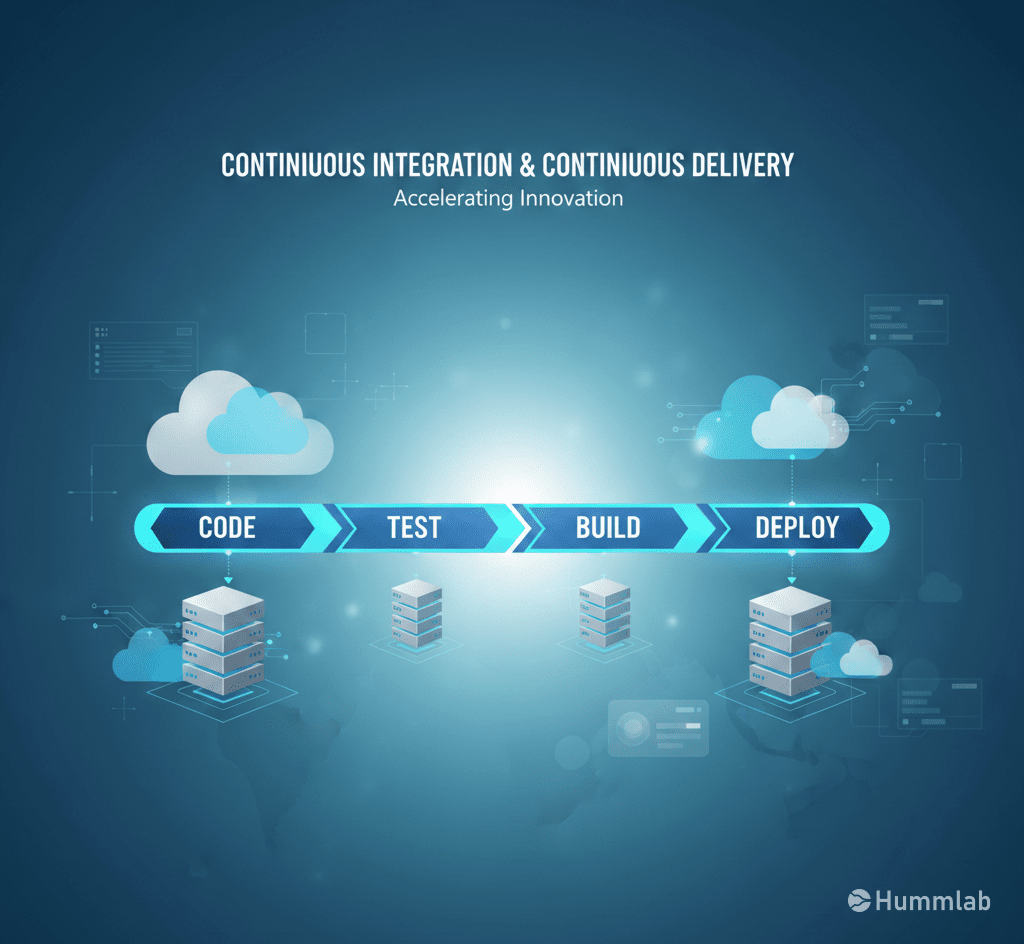
CI/CD is a modern approach to software development that uses automation to make building, testing, and releasing software faster, safer, and more predictable. You can think of it as an automated assembly line that catches problems early and helps teams deliver updates with confidence.
Continuous Integration (CI)
Continuous Integration is the practice of regularly merging code changes into a shared repository. Every time a developer pushes new code, automated tests run to verify that everything still works correctly. This helps catch bugs early and prevents large conflicts later in the development process.
Continuous Delivery (CD)
Continuous Delivery ensures that the application is always in a deployable state. Once the code passes all automated checks, the system prepares it for release. Deploying a new version becomes a simple and predictable action, usually just one click.
Continuous Deployment
Continuous Deployment is a more advanced version of CD. In this model, every change that passes automated tests is automatically deployed to production. There is no manual step involved. This allows teams to release updates many times per day and respond quickly to user needs.
Business Problems That CI/CD Solves
- Slow time to market
- Unpredictable release timelines
- Frequent bugs in production
- Manual testing bottlenecks
- Developers losing time on repetitive work
- High deployment risk
- Stressful release cycles
- Harder quality control as the product grows
Why CI/CD Is a Game Changer for Business
Faster Release Cycles
Automation removes manual steps and accelerates delivery. Features move from idea to production much faster.
Lower Costs Through Fewer Errors
Bugs found early are much cheaper to fix. CI/CD catches issues before they reach production.
Predictability and Stability
Teams gain consistent processes instead of risky, manual actions. Releases follow the same steps every time.
Better Planning and Transparency
Automated pipelines provide clear feedback and stable timelines, so product decisions can be based on real data.
Developers Focus on High Value Work
Automation frees developers from repetitive tasks, so they can focus on building product value.
How CI/CD Works in Practice
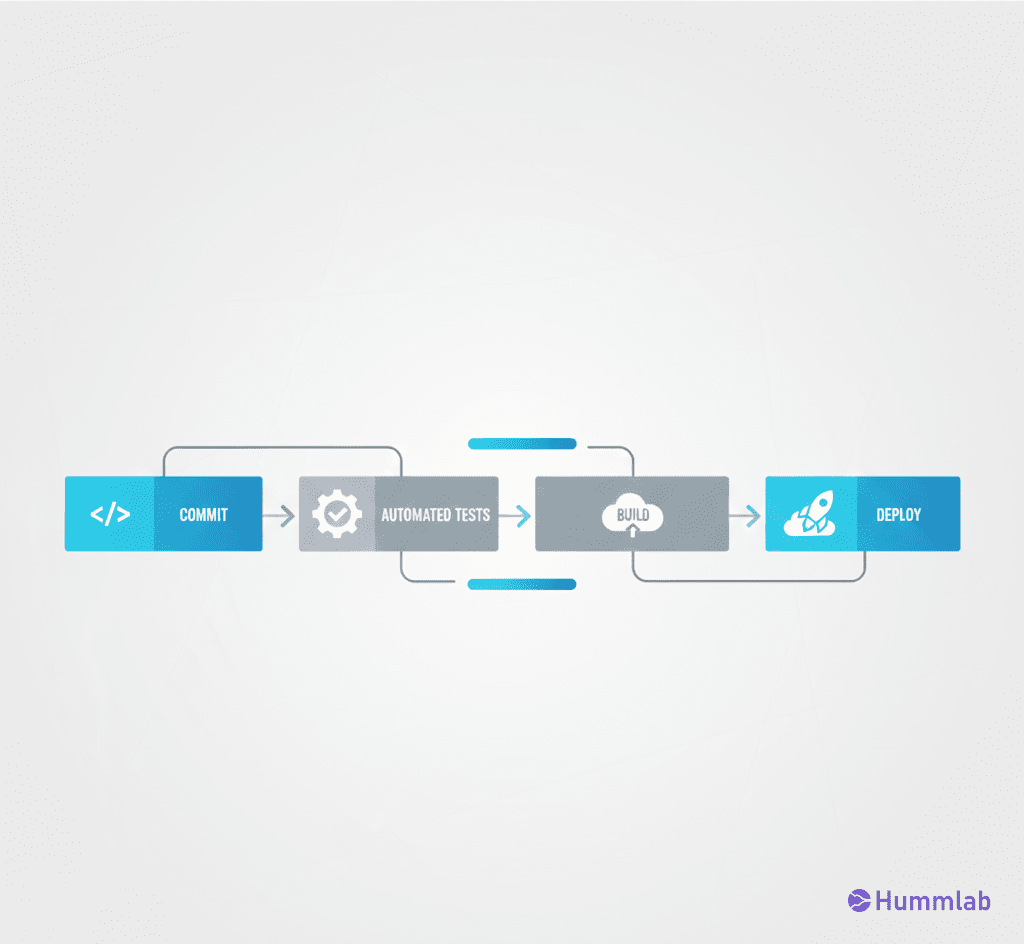
A typical CI/CD pipeline follows these steps:

- Commit a developer pushes new code.
- Automated tests the system verifies the code.
- Build the application is packaged.
- Deploy the new version is released or prepared.
What developers do
- Write code
- Push updates
- Review automated test results
What automation handles
- Testing
- Code quality checks
- Building and packaging
- Preparing or deploying releases
Real Business Benefits of CI/CD
- Faster time to market
- Predictable release schedules
- Fewer production issues
- Lower operational costs
- Higher product quality
- Improved developer morale
- More reliable deployments
- Less downtime
- Better decision making
- Stable customer experience
With vs Without CI/CD
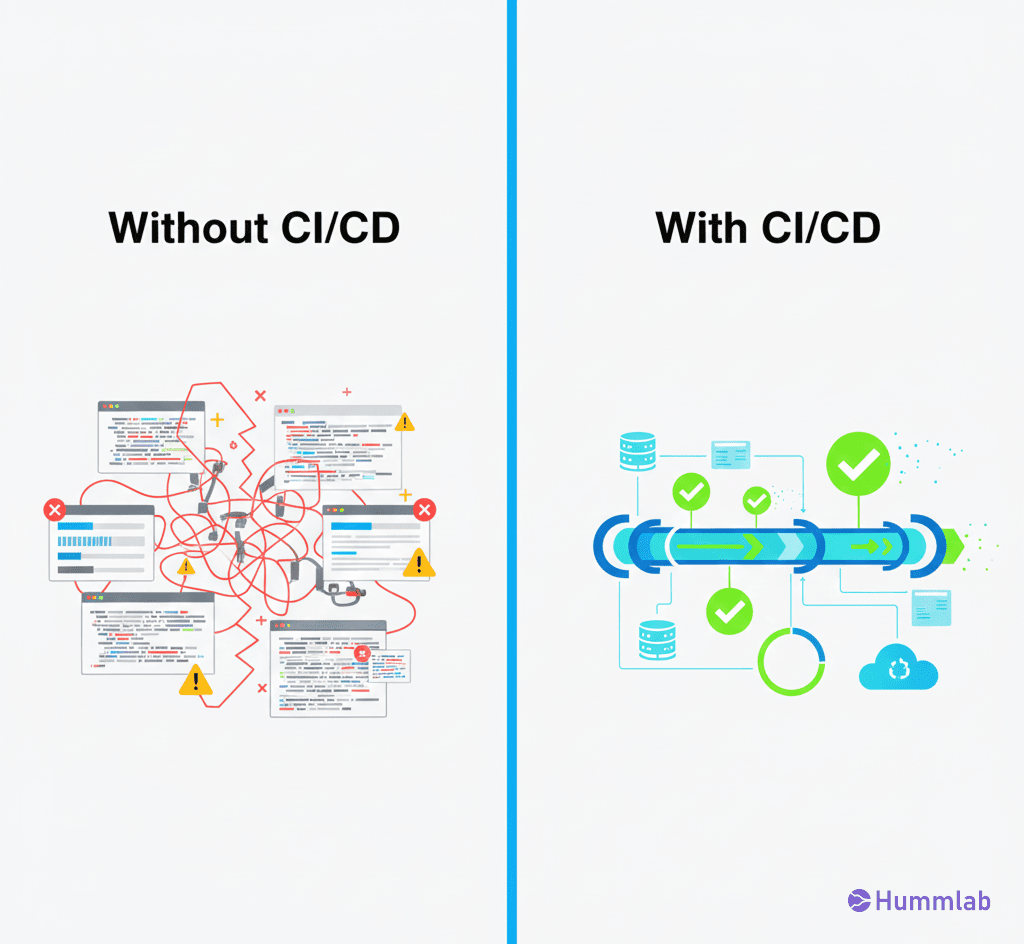
Many companies still rely on manual testing, manual deployments, and irregular release processes. This creates a workflow that is slow, unpredictable, and stressful for developers.
CI/CD introduces automation at every stage. Code is tested automatically, builds are created automatically, and deployments become safe and repeatable.
The difference between working with CI/CD and without it is very clear. Without CI/CD, development feels chaotic and difficult to control. With CI/CD, the process becomes structured, consistent, and easy to manage.
| Business Area | Without CI/CD | With CI/CD |
|---|---|---|
| Release Speed | Slow and irregular | Fast and reliable |
| Quality | Bugs found late | Issues detected early |
| Developer Time | Manual tasks | More focus on product development |
| Deployment Risk | High | Low |
When a Company Should Adopt CI/CD
- Your development team is growing
- You release new features often
- You have had delays or unstable releases
- Your product is becoming more complex
- You want predictable timelines and outcomes
- You want to reduce manual testing or deployments
- You are a startup moving fast and trying to avoid mistakes
Conclusion
CI/CD is not just a technical improvement. It is a strategic business investment. It increases speed, quality, predictability, and efficiency across the entire software development lifecycle.
For founders, product managers, and decision makers, adopting CI/CD means building a business that can grow quickly, innovate confidently, and deliver products with stability.